Supporting Student-Athletes Between Practice and Class

Athletic academic support is strong on structure and thin in the gaps between appointments. How to time support around practice and travel, keep eligibility in view, and coordinate staff without surveillance.
Key takeaways
- Student-athletes usually have structured support, such as athletic academic advisors, study hall and tutors. The gap is the short moments between appointments.
- Eligibility rules turn ordinary course decisions into big ones, so any nudge about dropping or withdrawing should send an athlete to their athletic academic advisor first.
- Time nudges to predictable moments: before study hall, before practice, after travel and before bed. One question, one next step, one person if needed.
- Coaches should see team trends, not private replies, and participation should be voluntary, with guardrails set with compliance before launch.
Athletic departments are usually good at structure. Student-athletes have academic advisors who know the eligibility rules, study hall hours, tutors, sometimes learning specialists, and travel letters that go to faculty before every trip. Where support is thinner is in the gaps between those appointments: the ten minutes before practice, the bus ride home, the night after a loss. That's where a small, well-timed nudge does the most, and where nobody is usually around to give it.
Student-athlete academic support works best when it is built around the athlete's actual schedule, plans for travel before the bus leaves, respects how tired they are, keeps eligibility in view, and coordinates the many adults involved without turning support into surveillance. This guide covers each of those, in general terms that apply across sports and divisions.
What makes a student-athlete's semester different
An illustrative in-season day: lift at 6 AM, class from 9 to noon, treatment at 12:30, film at 1:30, practice until 5, dinner, study hall from 7 to 9, and then the reading response due at midnight. Later in the week the team travels, and the athlete misses two days of class and a lab.
| Pressure | What it looks like | What helps |
|---|---|---|
| Time | Days scheduled from early morning to 9 PM | Small tasks that fit the real gaps |
| Travel | Missed classes, labs and exams on the road | A plan before the trip and a catch-up list after it |
| Fatigue | Studying after practice, on short sleep | Hard work earlier in the day, and sleep protected |
| Eligibility | Course decisions have rules attached | Compliance in the loop on every drop or withdrawal |
| Pressure and identity | Lineup worries, a slump, an injury | Somewhere private to say it, and a person when needed |
| Visibility | Coaches, teammates and fans watching | Clear lines about who sees what |
Academic eligibility, in general terms
Student-athletes compete under eligibility rules set by their athletic association, their conference and their school. These typically include full-time enrollment while competing and standards for progress toward a degree, such as credits passed each term and year and a minimum GPA. The details differ by association and division and change over time, so your compliance office is the authority, not a text message and not this article.
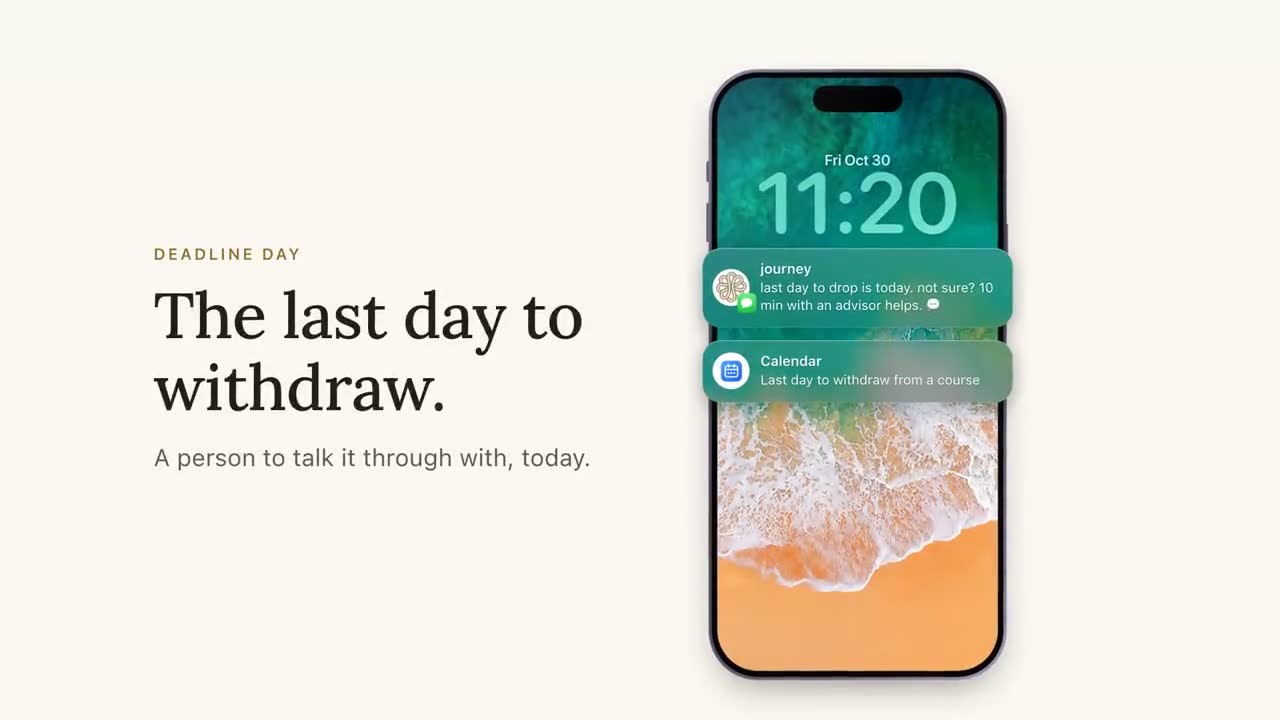
What matters for support is the consequence. A decision that's routine for another student can be a big one for an athlete. Dropping a class can take them below full-time. A withdrawal can affect progress toward the degree. A failed course in the spring can matter for next season. So any nudge about dropping, withdrawing or changing a schedule should send the athlete to their athletic academic advisor first. Our playbook on the withdrawal deadline covers the rest of that conversation.
Nudges timed around practice
The useful moments in an athlete's day are short and predictable. A nudge that lands in one of them can take fifteen seconds and still change the day. Each one asks one question, offers one next step, and brings in a person only when it helps. These are illustrative.
| Moment | The text | The next step |
|---|---|---|
| Before study hall | which assignment matters most tonight? | Start it first, fifteen minutes on a timer |
| Before practice | one goal for today? a) effort b) a skill c) talking more out there | Say it once, then go |
| After a rough game or practice | how are you carrying it? a) fine b) it's sitting with me c) heavy | A cue for the next rep, or a person if it's heavy |
| After travel | what did you miss this trip? | One email to one professor tonight |
| Before bed | phone across the room yet? | Sleep, especially before an early lift |
The best versions come from what each athlete says they want help with, in their own words. An athlete who wants a fifteen-second practice goal and an athlete who wants somewhere private to put lineup anxiety need different texts at the same moment.
Plan travel before the bus leaves
- A week before the trip, the athlete sends each professor the travel letter and asks about anything due, or any exam, while they're away.
- Two days before, work due during the trip is either submitted early or has a new date in writing.
- On the trip, one realistic study block, not a full day's worth. Hotel wifi and a bus seat are not a library.
- The night they're back, sleep, not a catch-up marathon.
- The next day, a catch-up list: what they missed, who has notes, and which professor to see in office hours.
Most of this is already in your department's travel policy. The gap is the reminder at the right moment, and the check back once they're home.
When the body or the mind needs a person
Athletes are trained to push through, and they'll often mention pain or stress in passing. A reply like "knee's been weird since saturday" should reach the athletic trainer, not earn another study tip. A reply about lineup anxiety, a slump or feeling lost outside the sport should reach mental performance staff or counseling, if the athlete wants that.
An injury deserves its own plan. Practice disappears, the schedule suddenly opens up, rehab takes over, and an athlete can feel cut off from the team at the moment they most need it. That's a time for more contact, not less: a check-in the week after, an honest question about how they're doing away from the sport, and an easy path to mental performance staff or counseling.
Safety language is different from stress, and it always goes to people. Journey is not a crisis line: when a message raises a safety concern, it surfaces the right human path (counseling, 988, the on-call staff your team names) and follows the escalation process set up with your campus.
Coordinating staff without surveillance
An athlete's support team is large: an athletic academic advisor, often a campus advisor too, tutors, the athletic trainer, coaches, mental performance staff and sometimes a learning specialist. Coordination helps. But an athlete who thinks their coach reads their messages will stop telling the truth, and then the channel is useless to everyone.
- Coaches see team trends, not private replies. How the roster is doing this week, not who said what.
- Individual conversations follow the athlete's consent and the support rules your department approves.
- Participation is voluntary. No required replies, no attendance, and no tie to playing time. How that sits with the rules on countable athletically related activities (CARA) is a question to settle with your compliance office before launch.
- Each handoff goes to one person. A tutoring question goes to the tutor coordinator. A knee goes to the trainer.
How Journey works with a roster
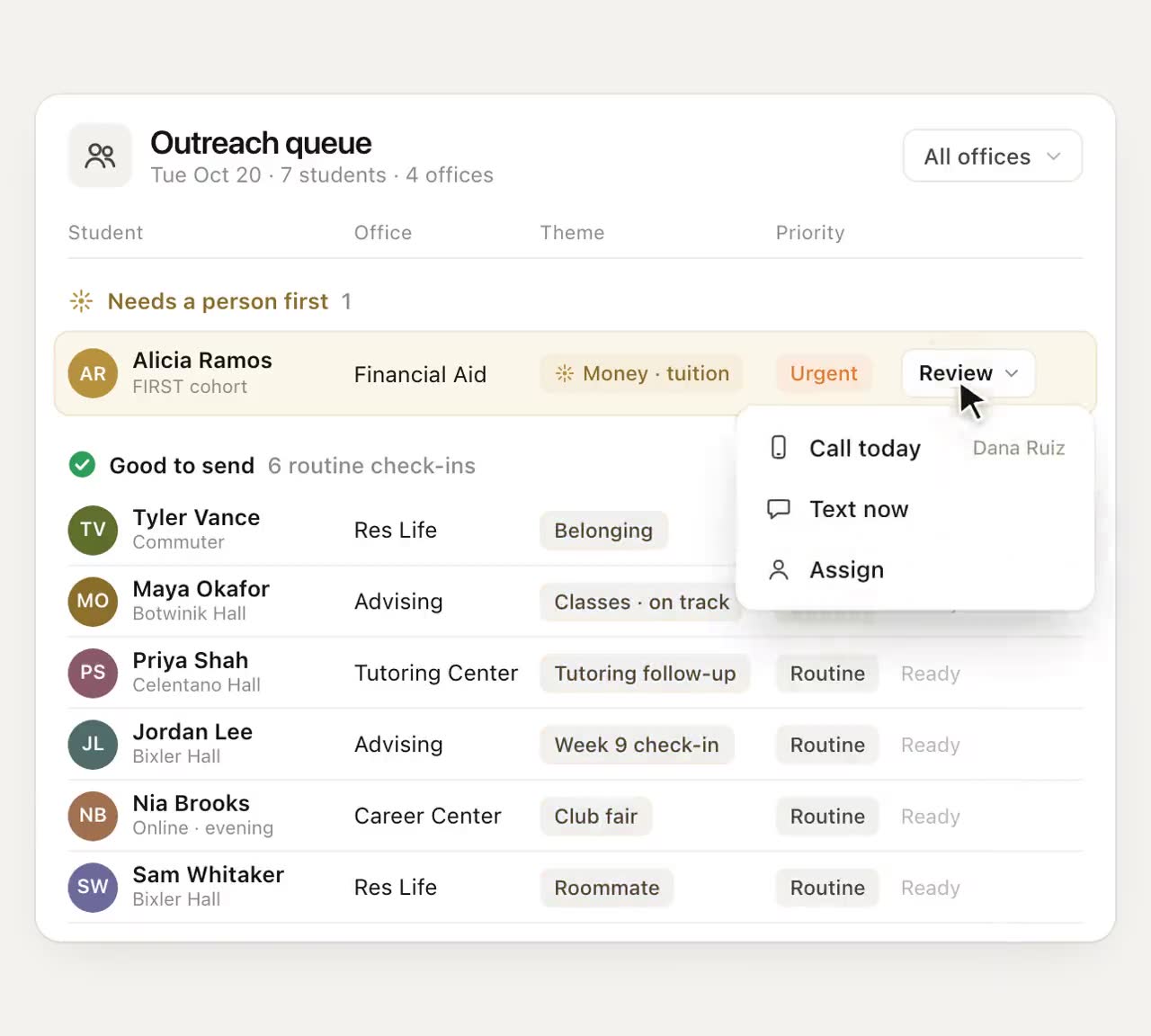
Our approach for athletes is the one on our athletics page: ask one question, offer one next step, and bring in one person if needed. Journey texts first, at moments like before study hall, before practice, after travel and before bed, inside windows the athlete chooses, with quiet hours honored. Athletes get a few texts a week, inside the windows the student chooses. Journey reads every reply for theme and urgency, so a reply about pain, pressure or a missed assignment reaches your staff as one that needs a person instead of earning another tip, and the athlete can get a one-tap link to the office that helps. The privacy model is the one on that page too: coaches see team trends, not private replies.
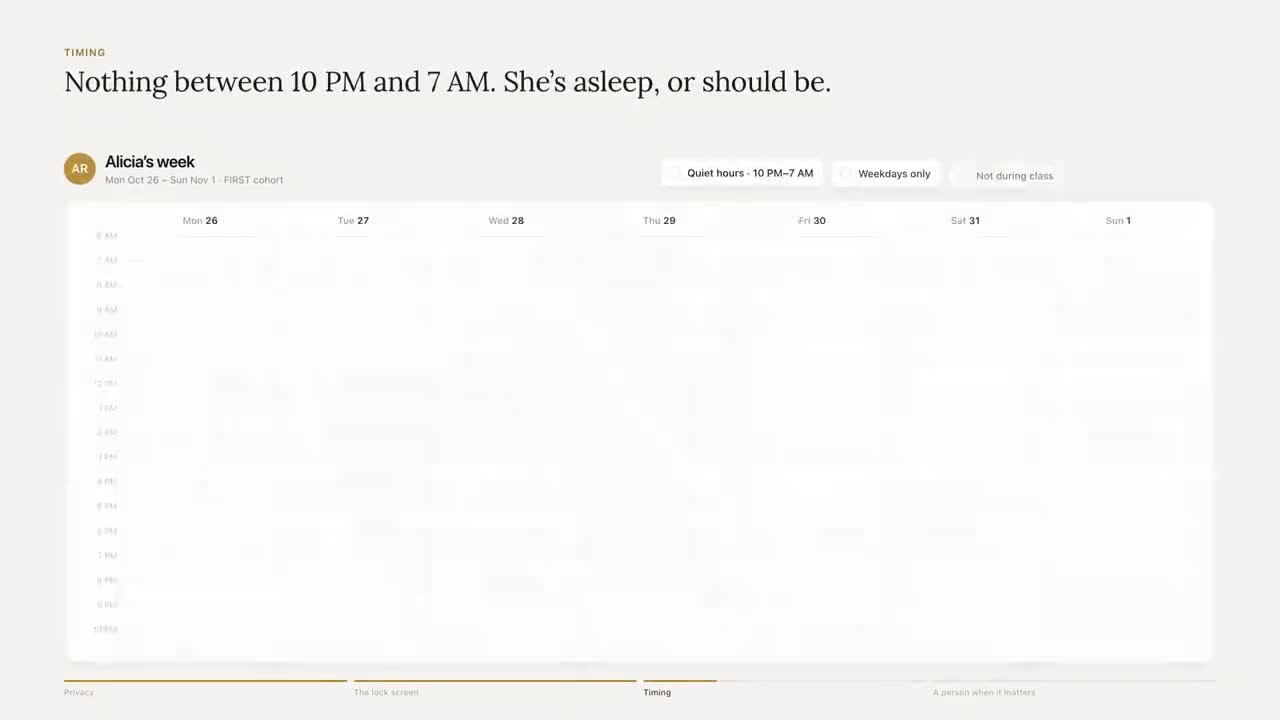
Two ways of fitting nudges around a schedule are worth telling apart. Live today: an athlete texts a screenshot of their class timetable, and from then on no nudge arrives during a class. They can also change nudges by plain text ("nudges on tuesdays and thursdays," or "pause my nudges for a week" before a long road trip), and Journey says each change back. Not live: importing class schedules from your systems and choosing send times from them automatically, which is what our video of two nudges placed around a student's week shows.
And to be plain about where we are: Journey already works with college students, but we haven't yet run it with a Division I roster. A roster version would start as a pilot built with your athletics department, academic support staff and compliance.
Questions to ask before texting a roster
Whether you build this in-house or work with a vendor, settle these before the first text goes out.
- Who sees an athlete's individual replies, and who sees only team trends?
- How do we show athletes, in writing, that replying is voluntary and has nothing to do with playing time?
- What has our compliance office reviewed, and what did it decide about CARA?
- Who receives each kind of handoff: academic, medical, mental performance?
- What happens to safety language at 2 AM in a hotel on a road trip?
- How does it fit around travel, and does it go quiet on game days if athletes ask it to?
Start with one roster
Pick one team with a heavy travel stretch coming up, and agree on the guardrails with compliance and the coaching staff first: what's voluntary, what coaches see, who receives each kind of handoff. Run it for one season, and measure a few things you can act on:
- Missed or late work around travel weeks, compared with weeks at home.
- Tutoring bookings made before a trip rather than after.
- Handoffs by type: tutor, trainer, advisor, mental performance. Each one is a moment that might otherwise have stayed in a text.
- Eligibility questions caught early, such as a drop discussed with an advisor before it happened.
- What athletes say, asked at midseason and season's end: did it help, and what should change?
The athletes will tell you quickly whether the texts arrive at the right moments, and that's the thing worth learning first.
Frequently asked questions
What academic support do student-athletes get?
Most athletic departments offer athletic academic advisors, study hall, tutoring and sometimes learning specialists, alongside the campus's own advising and academic support. What's often missing is help in the short gaps between those appointments, such as before practice or after travel.
How do you support student-athletes academically during travel?
Plan before the trip: travel letters to professors, early submission or new dates in writing, and one realistic study block on the road. Then a catch-up list the day after they're back.
Does texting student-athletes count toward CARA hours?
Support designed to be voluntary, with no required replies, no attendance and no tie to playing time, is meant to stay separate from required athletic activity. Rules vary by association and change over time, so settle the guardrails with your compliance office before launch.
Can coaches see what athletes text a support service?
They shouldn't see private replies. In Journey's design, coaches see team trends, and individual conversations follow the athlete's consent and the support rules your department approves. Athletes who think a coach is reading won't be honest.
What eligibility rules affect student-athletes' course decisions?
Typically full-time enrollment and progress-toward-degree standards, such as credits passed and a minimum GPA, set by the athletic association, the conference and the school. These rules change over time and compliance staff are the authority, so route any drop, withdrawal or schedule change through the athletic academic advisor and compliance first.