Journey Now Holds Any Nudge a Student Already Got

Since October 2026, Journey compares every queued nudge with what that student already received and holds a match instead of sending it. Tapback reactions no longer get a reply. Why duplicates happen, and why they cost trust.
Key takeaways
- Journey now checks every queued nudge against what that student already received, and holds a repeat instead of sending it.
- The check is per student, so a reminder still reaches anyone who hasn't seen it.
- Duplicates usually come from overlapping campaigns, copied templates and two offices scheduling the same reminder.
- A heart or a like on a Journey text no longer gets a reply, and neither does a plain "thanks". The reaction is recorded against the nudge it answers.
A repeated text costs more than the slot it fills. When a student hears that spring registration opens Monday, and then hears it again three days later, the second text doesn't read as a reminder. It reads as a machine that isn't paying attention, and it quietly lowers the odds she opens the next one.
As of October 2026, that second text doesn't go out. Journey compares every queued nudge with what that student has already received, and a match is held instead of sent. In the same release, Journey stopped replying to tapback reactions. Both changes are small, and both are about the same thing: not wasting a student's attention.
What changed
- Queued nudges are checked against her history. Before a nudge sends, it's compared with what that student already got. If it's a repeat, it's held.
- A tapback no longer gets a reply. When a student hearts or likes one of Journey's texts, Journey takes the hint and says nothing.
The check is per student. A deadline reminder that half the cohort hasn't seen still reaches them; only the students who already have it are skipped.
Why duplicate texts happen
Nobody sets out to send a student the same text twice. In any texting program, duplicates come from ordinary overlap:
- Two campaigns cover the same moment, such as a first-year sequence and a registration sequence that both mention advising appointments.
- A template is copied into a new campaign and nobody removes the original step.
- Two offices schedule the same reminder because neither knew the other had.
- A student is enrolled in a campaign twice, once by hand and once by a list.
Coordination meetings help, but they rely on everyone remembering what went out last week. A check in the system doesn't.
Why a repeat costs more than it looks
One duplicate rarely makes anyone opt out. The cost is slower than that. A student who gets the same message twice learns that the sender doesn't know what it already said, which makes every future text a little less personal and a little easier to skip. Journey sends a few texts a week, inside the windows the student chooses, so each one carries weight. Spending one of them on a repeat is a real loss.
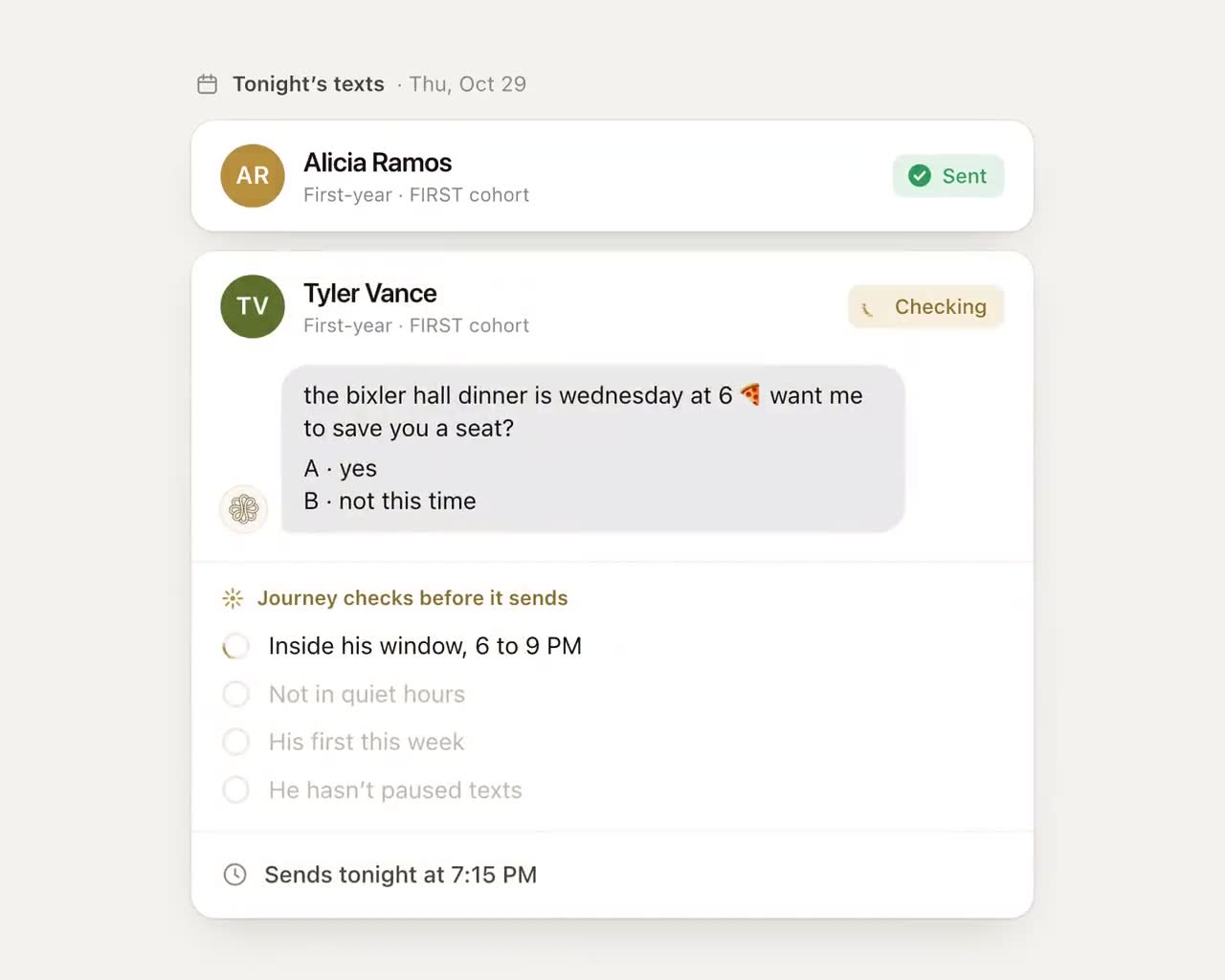
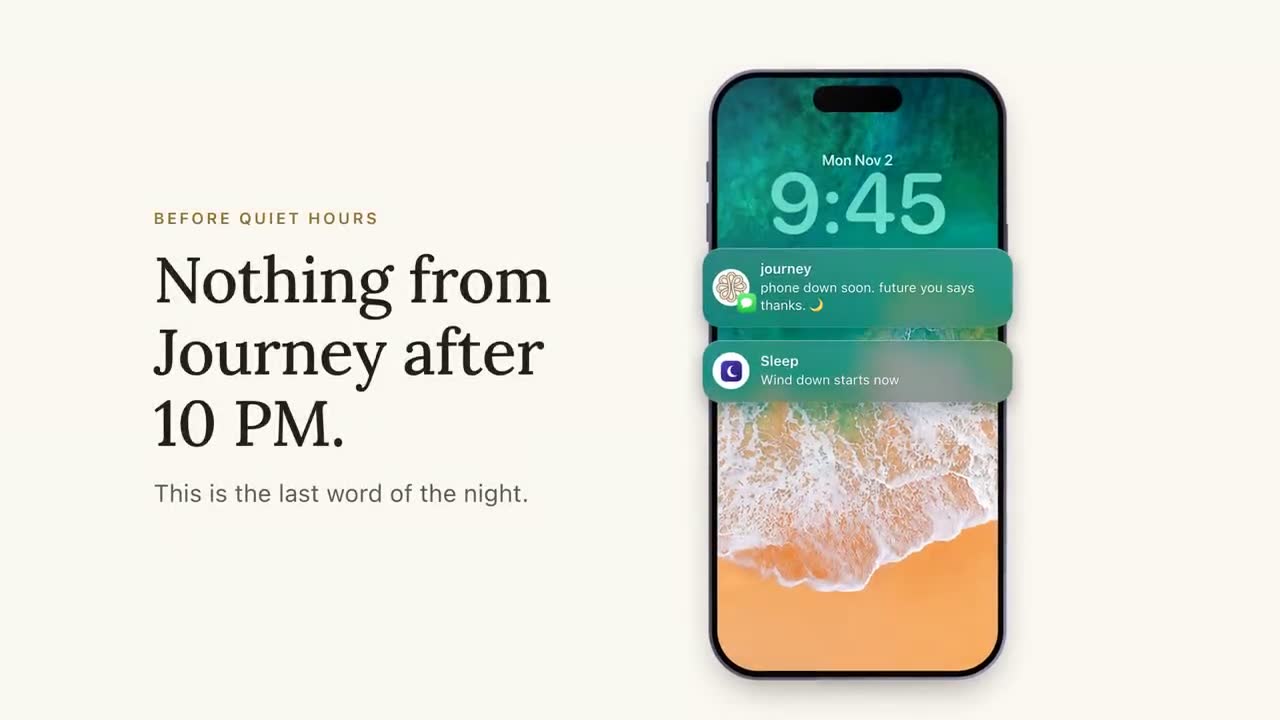
The repeat check sits alongside the others: the student's own windows, never during a class, quiet hours, no more than one proactive text a day and a few a week, and whether she has paused or stopped. Those are covered in Every Nudge Is Checked Before It Sends.
Tapbacks are the end of a conversation
On an iPhone, a student can press on a message and react with a heart, a thumbs-up or a laugh. To a texting system, that reaction can arrive looking like a short reply. A system that answers every reply will answer it, and the student who meant "got it, thanks" gets another text to deal with.
Journey no longer does that. A heart is a perfectly good way to close a thread, and the polite response is silence. The reaction isn't thrown away, though: it's recorded against the nudge it answers. The same goes for a plain "thanks" or "ok", which gets no reply by design.
What staff should know
For your team, the practical change is that a nudge a student already received won't go out to her again, even when two campaigns overlap. You still want one owner for each deadline and a shared view of what's going out, because a held repeat means two people planned the same message. The "repeat that never went out" demo shows a queue screen with the held text struck through and the date it first went out. Staff don't have that screen yet. The check behind it runs either way.
Three habits that prevent repeats anyway
- One owner per date. The withdrawal deadline belongs to one office's campaign, not three.
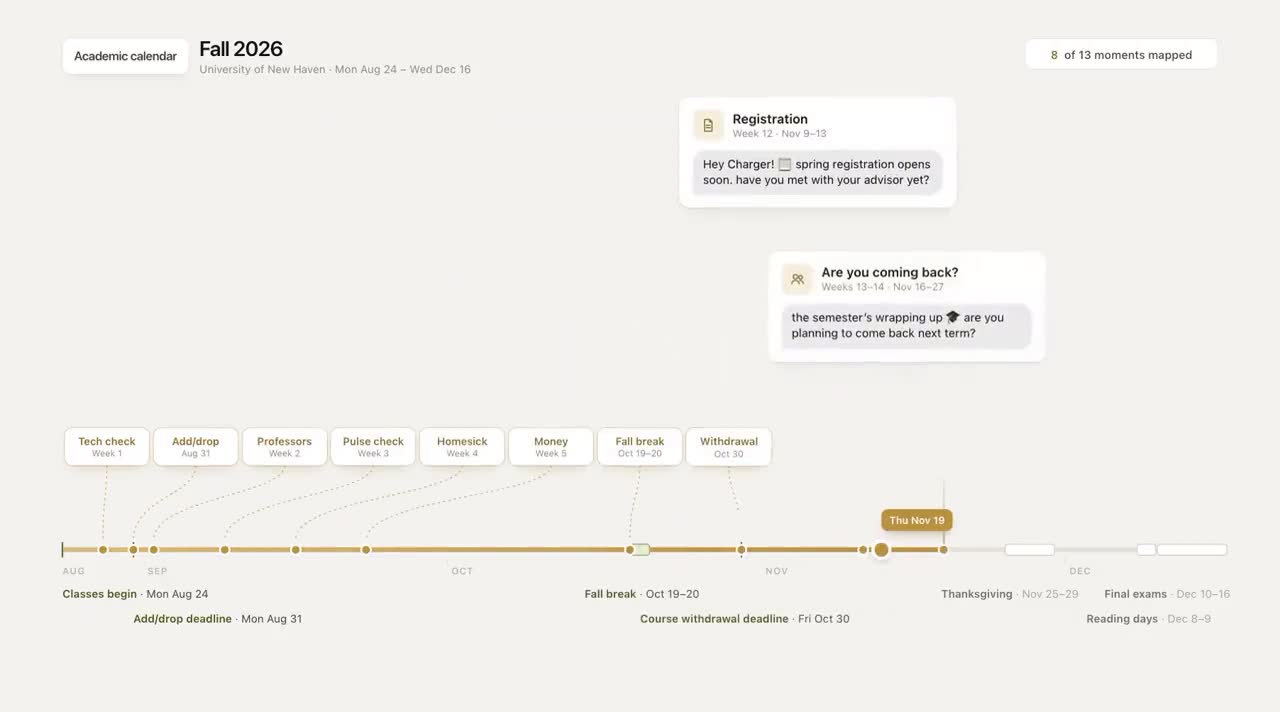
- Review overlapping sequences at the start of term. Lay each campaign's steps on the academic calendar and look for collisions before anything is scheduled.
- Retire copied steps. When you build from a template, delete what you aren't using rather than leaving it to run.
The repeat check catches a nudge she already got. The habits keep two offices from planning the same one in the first place.
Frequently asked questions
Why do students get duplicate text messages from their university?
Usually because two campaigns cover the same deadline, a template was copied with its old steps, or two offices scheduled the same reminder. Without a check against what each student already received, both go out.
How does Journey prevent duplicate texts?
Since October 2026, every queued nudge is compared with what that student already received. A match is held instead of sent. The check runs per student, so others still get the message.
Does Journey reply when a student reacts to a text with a heart or a like?
No. Since October 2026, Journey doesn't reply to tapback reactions. A reaction usually means the student got the message, and another text would only add noise.