Homesickness in the First Semester: Spot It, Route It

Homesick students rarely use the word. What homesickness looks like in replies, when it peaks, the responses that help, and how to route it to an RA, to counseling if it deepens, or to a peer or event.
Key takeaways
- Homesickness shows up as "going home again this weekend" or "everyone already has their friends" more often than as the word itself.
- It tends to peak in the first weeks, after the first trip home, before Thanksgiving and at the start of spring.
- Match the response to what the student said: normalize it, offer one small step, and keep counseling as a plain option rather than an automatic referral.
- Route three ways (an RA for presence, counseling if it deepens, a peer or event for connection) and give one person the weekly list.
- Students who stay over a break need the basics the day before it starts and a chance to meet others who are staying.
Homesick college students rarely use the word. They say "going home again this weekend" for the third weekend running. They say "everyone here already has their friends." They say "i miss my dog lol", and the "lol" is doing a lot of work. An RA might notice a door that stays closed on a Friday night. Often nobody notices anything until the student mentions transferring closer to home.
Homesickness in the first semester is common, usually temporary, and often eases with small, well-timed help. It's also easy to miss, and once in a while it's the visible edge of something heavier. This guide covers what it looks like in what students say, when it tends to peak, the responses that help, how to route it three ways (an RA, counseling if it deepens, a peer or an event), and how to handle breaks and long weekends.
What homesickness looks like in replies
When you ask students how they're doing by text, homesickness shows up in recognizable phrases. Some are routine first-year adjustment. Some deserve a closer look. A few need a person today.
| What the student says | What it may mean | Response |
|---|---|---|
| "i miss home" / "miss my mom's cooking lol" | Ordinary adjustment | Normalize, offer one thing this week |
| "going home again this weekend" | Weekends on campus feel empty; no friend group yet | A weekend event with people they'd like, a heads-up to the RA |
| "everyone already has their friends" | Belonging, more than home | A small group, a peer, an event built for meeting people |
| "i don't really leave my room" | Withdrawal starting | An RA hello, and ask about sleep and classes |
| "thinking about transferring closer to home" | Homesickness turning into a decision | A person this week, before the decision hardens |
| "can't sleep, not eating, skipping class", or anything hopeless | Possibly more than homesickness | Counseling, through your escalation process, the same day |
The table is for matching the size of the response to what the student said, not for diagnosing by text, so the student who misses their dog doesn't get a counseling referral and the student who stopped going to class doesn't get a game night.
When it peaks
Residence life staff tend to see homesickness cluster at predictable points in the first year. Plan your check-ins around them.
- The first two to three weeks. The novelty of move-in fades and routines haven't formed yet.
- Right after the first trip home. Fall break or the first long weekend reminds students what they miss, and coming back can be harder than leaving was.
- The run-up to Thanksgiving. Everyone's talking about plans; the students who aren't going home notice.
- The first weeks of spring. A month at home resets old routines, and some friends from fall didn't come back.
A few groups feel it more sharply: international students, students who can't afford to travel home on short breaks, students from small towns or close-knit families, and students whose families depend on them at home.
Responses that help, and what doesn't
When a student says they're homesick, the most helpful first reply is short, warm and specific. It does four things: it says the feeling is common, it doesn't rush to fix, it offers one small step with choices, and it promises to check back.
| Helps | Doesn't |
|---|---|
| "that's really common, especially right after break." | "Have you tried getting involved on campus?" |
| Two real events this Friday, with times and places | A link to the list of 300 student organizations |
| "want your RA to stop by and say hi?" | An automatic counseling referral at the first mention of missing home |
| A check back a few days later | "It'll pass." (It usually does. Saying so doesn't help.) |
| Asking whether they'd like to talk to someone | Telling them they need to |
Counseling should always be offered, plainly and without drama, as one of the choices. What it shouldn't be is the only answer. Many homesick students need a Friday night with people more than a clinical appointment, and sending every one of them to the counseling center adds to wait times for the students who do need it.
Route it three ways
A good response to homesickness usually involves more than one office, and each has a distinct role.
- The RA, for presence. A heads-up to the student's RA, with the student's agreement and within your Res Life policies, so someone on the floor says hi, knocks on the door before the next floor event, and notices if things get worse. The RA gets the theme ("homesick, still adjusting"), not the conversation.
- Counseling, if it deepens. Offered every time as a free, confidential option. If the student mentions not sleeping, not eating, missing classes or anything hopeless, it moves from an option to a same-day referral through your escalation process.
- A peer or an event, for connection. Two real events in the next few days, chosen for what the student likes, or an introduction to a peer mentor. This is often the step that helps most, because homesickness tends to ease when there's something here to look forward to.
Owners: Res Life for the RA heads-up and the weekend list, the counseling center for the referral path, student activities or the peer mentoring lead for events and introductions. One person, often in Res Life or the first-year office, should own the weekly list of students who said they're homesick and make sure each one got at least one of the three.
A check-in schedule for first-years in housing
Ask before students have to volunteer it. A short check-in at each peak, with lettered choices, catches many homesick students without anyone having to say the word first.
| When | Text |
|---|---|
| Week 2 or 3 | "living on campus is a big change. how's it going so far? a) love it, found my people b) fine, still adjusting c) lonely or homesick d) issues with my room" |
| The week after the first long weekend | "coming back after a weekend at home can be weird. how's this week? a) good b) ok c) missing home" |
| About a week before Thanksgiving | "thanksgiving break is coming up. plans? a) heading home b) staying on campus" |
| The first week of spring | "welcome back. how's the start of the semester? a) good b) ok c) rough" |
Each "c" gets the three-way response above. At Thanksgiving, "staying on campus" gets the break sequence below. "issues with my room" goes straight to Res Life as a housing question, because sometimes the problem is a roommate.
Breaks and long weekends
For students who stay on campus over a break, the empty hall can turn ordinary homesickness into real isolation. A student who assumes they're the only one left may spend four days in their room.
The day before a break starts, students who are staying should get the basics in one text: which dining hall is open and when, which buildings stay open, who the on-call RA is and how to reach them, and anything happening on campus. Then offer to connect them with a few others who are staying, with both sides saying yes first. "you won't be the only one" is often the most comforting thing in the message.
How Journey answers a homesick reply
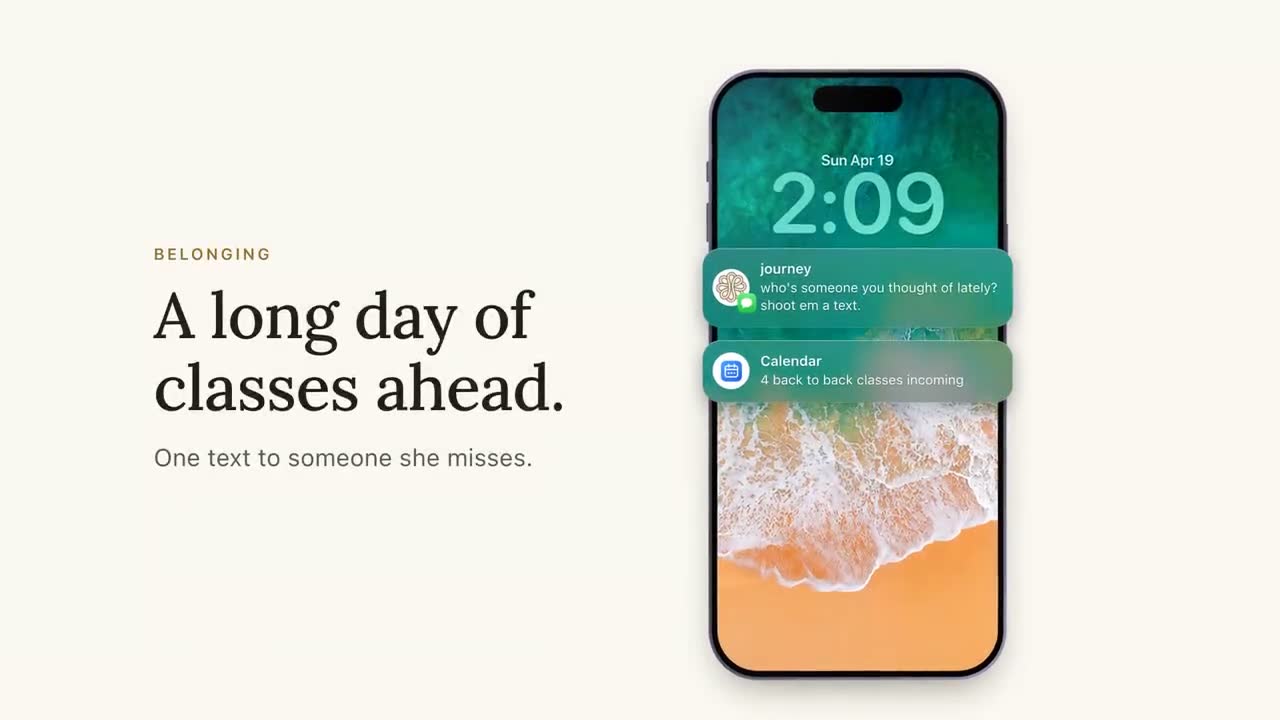
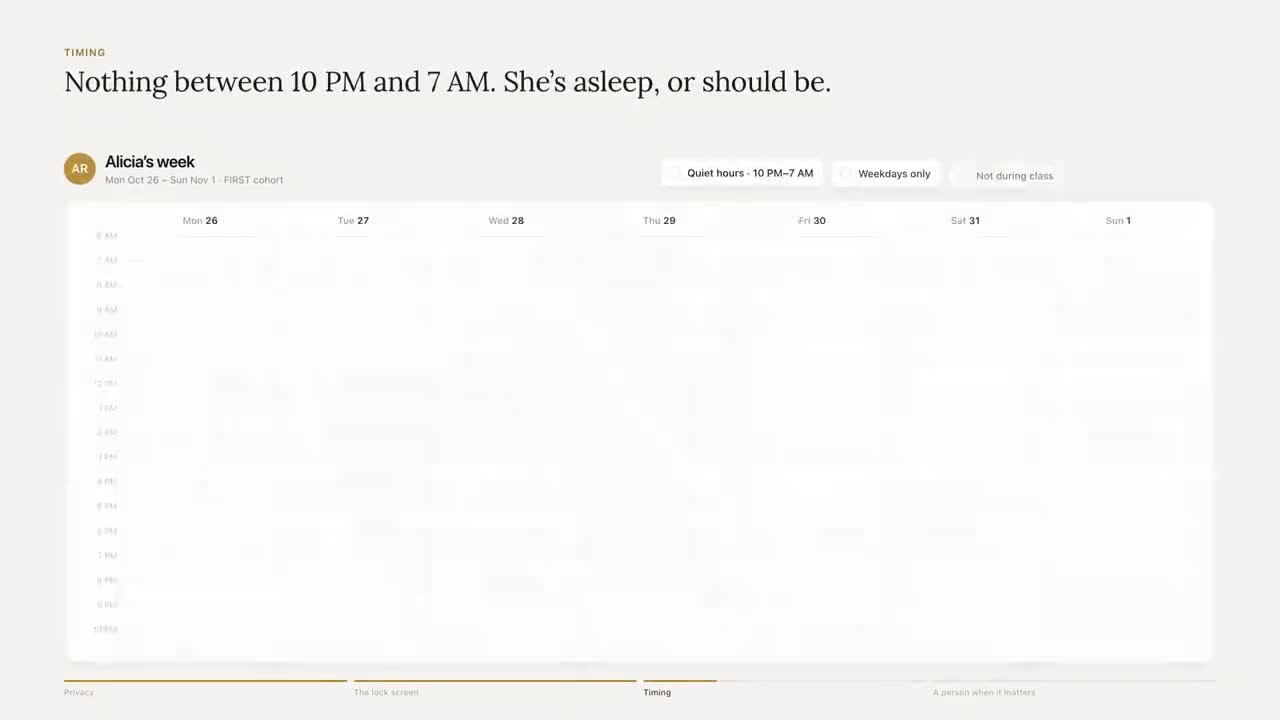
Journey sends the check-ins at each peak, inside each student's own windows and never in quiet hours. A "lonely or homesick" answer gets a short, warm reply that offers counseling plainly alongside one small step for this week, and the student is added to your team's partner dashboard under homesickness, so the person who owns the list can make sure the RA and events steps happen. Language that suggests something heavier goes to people right away, and a student who simply texts "talk" is told a staff member will reach out as soon as possible. Journey is not a crisis line: when a message raises a safety concern, it surfaces the right human path (counseling, 988, the on-call staff your team names) and follows the escalation process set up with your campus.
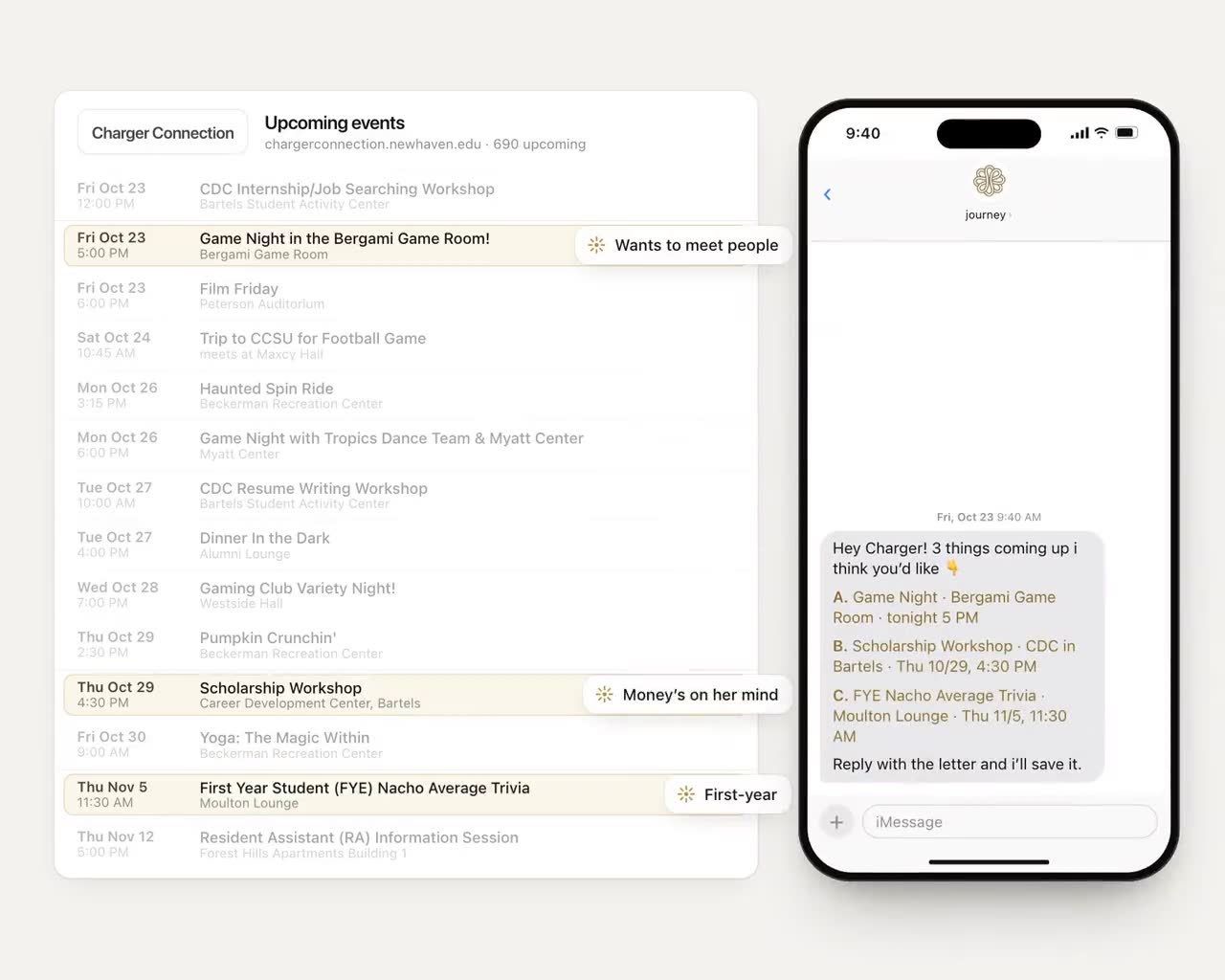
In our demo, the check-in goes only to students who live on campus, and a single reply offers counseling, gives the RA a heads-up and finds two real events on Friday. Two parts of that aren't live: picking the audience straight from the housing list, and the automatic note to the RA. Today your team chooses who's enrolled in the check-in campaign, and the RA heads-up goes through the person who owns the list.
What to measure
- The share of first-years in housing who pick "lonely or homesick" at each check-in. The trend across the term tells you whether the peaks match your calendar.
- Repeat answers. Of students who said homesick in week three, how many said it again after the first long weekend. Those are the students to look at closely.
- Steps taken. Accepted an event, met with the RA, booked counseling. At least one of the three within a week is the target.
- Escalations, and time from reply to a person, for the replies that needed one.
- Spring registration for students who reported homesickness, compared with their classmates.
Start with one residence hall in the fall. Run the week-three check-in, set up the three routes with its RAs, and track who took a step. Homesickness is one of the few first-year problems where the student will often tell you, if you ask in a way that makes it easy to answer.
Frequently asked questions
Is homesickness common in the first semester of college?
Yes, especially in the first weeks and after the first trip home. It's usually temporary and responds well to small, timely help, though occasionally it's the visible edge of something heavier, which is why counseling should always be one of the options offered.
What should an RA do when a student is homesick?
Say hi, check in before the next floor event and notice whether things get better or worse. If the student mentions not sleeping, not eating, missing classes or feeling hopeless, the RA should connect them with counseling through the campus escalation process.
When does homesickness peak for college students?
Residence life staff often see it in the first two to three weeks, right after the first trip home, in the run-up to Thanksgiving and at the start of spring term. International students and students who can't travel home on short breaks often feel it more sharply.
When should a homesick student be referred to counseling?
Counseling should always be offered as a free, confidential option. It becomes a same-day referral through your escalation process when homesickness comes with signs like not sleeping, not eating, skipping classes or hopeless language.