Finals Week Support Students Actually Use

Therapy dogs and free coffee are kind, but they aren't a plan. How to build finals week support around each student's exam times, protect sleep, push practice under real conditions, and keep going after the last exam.
Key takeaways
- Finals support works when it starts from each student's own exam schedule, not a campus-wide list of events.
- Protect sleep. The hour after midnight is worth less than the sleep it costs, and quiet hours should hold during finals too.
- Practice under real rules: timed and closed-book, with an error log and a redo of the misses a day later.
- Support shouldn't stop at the last exam. Grades and academic standing notices often arrive over break, when nobody is around to explain them.
Most campuses run finals week the same way. Therapy dogs on the quad, free coffee in the library at midnight, and an email listing extended hours and a dozen stress-relief events. Those are kind, and some students love them. They are not a plan. The student with an 8 AM chemistry final on Tuesday, a calculus final Wednesday afternoon and a paper due Friday needs something smaller and more specific: a plan built around her own exam times, permission to sleep, and a way to practice that feels like the real thing.
Finals week support that students actually use does three things. It starts from each student's exam schedule, it protects sleep instead of rewarding the all-nighter, and it turns studying into practice under real conditions. It also stays quiet: a few well-timed texts across the last two weeks of the term, not a daily stream.
Why finals week support goes unused
- It's generic. The same email reaches the student with one final and the student with five.
- It all lands at once. A dozen events in one message reads as none of them.
- It's at the wrong time. A review session at 2 PM on exam day conflicts with somebody's 2 PM exam.
- It rewards the wrong habit. A 24-hour library and free midnight coffee tell students the all-nighter is the plan.
- It reaches the students who are fine. The student at the therapy dogs usually isn't the one sitting alone with three weeks of unread notes.
Keep the dogs. Add a plan.
Build the plan around exam times
Many registrars publish the final exam schedule well before the end of term, often keyed to each class's regular meeting time. That's enough to build a plan for every student.
- Find the crunch. Two exams on one day, an 8 AM exam after a closing shift, three finals in 48 hours. Many campuses let a student move an exam when they have three on one day. Check your registrar's policy, and tell the students it applies to before finals week, not during it.
- Work backward from each exam. The day before is for light review and sleep. Two days before is the last full practice test. The first practice test goes about a week out.
- Put work shifts in the plan. Students who work don't stop working during finals. A plan that pretends otherwise is abandoned on day one.
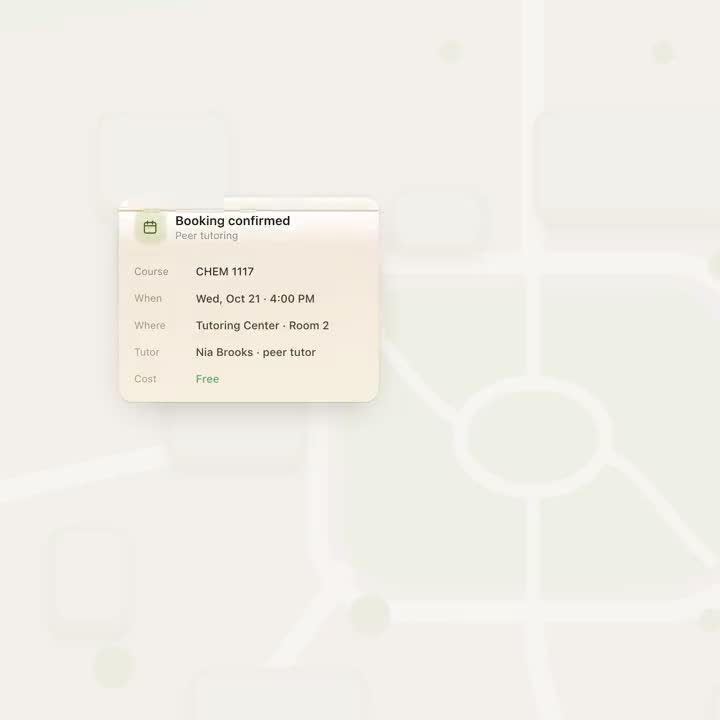
- Book help early. Tutoring and review sessions fill up in the last week. A student who books ten days out gets a slot.
- Plan the day after the last exam. Travel, a shift, or simply sleep. The ending matters too.
Here is what that looks like for Maya, a fictional student with two exams and a paper. The plan is illustrative.
| Day | Due | The plan |
|---|---|---|
| Monday, the week before | Nothing | First chemistry practice test, timed, then an error log |
| Wednesday, the week before | Nothing | Calculus practice test; book a tutoring slot for Friday |
| Friday, the week before | Nothing | Tutoring, then redo the chemistry misses from scratch |
| Saturday | Nothing | Work shift, 10 to 4; outline the history paper that evening |
| Sunday | Nothing | Second chemistry practice test; phone down by 11 |
| Monday of finals week | Nothing | Light chemistry review only; bag packed; bed early |
| Tuesday | Chemistry, 8 AM | After the exam, a calculus practice test, then rest |
| Wednesday | Calculus, 1 PM | Morning: redo yesterday's misses only. Evening: draft the paper |
| Friday | History paper, 5 PM | Submit by noon, then sleep |
Nothing in it is clever. It's just written down, built around the hardest exam, with a work shift in it and sleep treated as part of studying.
Sleep beats one more hour
The all-nighter is a popular finals plan and one of the worst. Sleep helps the brain hold onto what it learned that day, and a tired student makes careless mistakes on problems they actually know. The hour after midnight is almost always worth less than the sleep it costs.
So the most useful finals text may be the least academic one, sent in the student's evening window the night before the hardest exam.
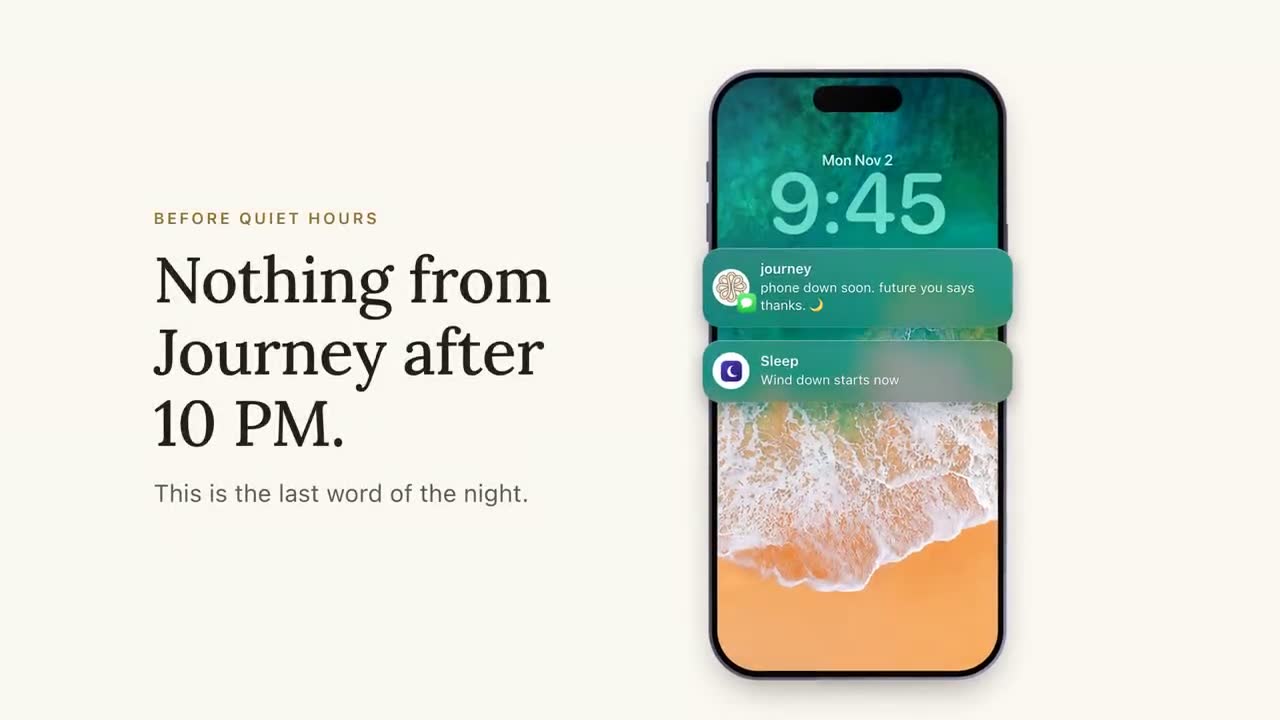
Quiet hours still apply during finals. A student awake at 2 AM doesn't need a text from anyone, and a support tool that pings at 2 AM because it's finals teaches students to silence it. A student who texts at 2 AM is different: they started the conversation, and answering is help. If what they write sounds like more than exam stress, it goes to a person. Journey is not a crisis line: when a message raises a safety concern, it surfaces the right human path (counseling, 988, the on-call staff your team names) and follows the escalation process set up with your campus.
Practice under real conditions
Rereading notes feels like studying and does much less than it feels like. Testing yourself, timed and closed-book, is one of the better-supported study habits there is, and it's the one students skip because it's uncomfortable. Here is that advice in a real thread from March:
 Journey
Text Message
did a practice exam and i still feel shaky
do the next two practice runs under real rules: timed, no notes, quiet. then keep an error log of every miss: the topic, the step that went wrong, the right pattern. redo just the misses 24 hours later from scratch.
A real Journey thread, shortened, with details changed so the student can't be identified.
Three parts of that reply are worth borrowing for any finals message. Real rules, so the practice feels like the exam. An error log, so the student studies what they got wrong instead of what they already know. And the redo a day later, which turns a mistake into something they can actually do.
Finals texts, week by week
With a cap of a few texts a week, every one has to earn its place. This is one sensible sequence.
| When | The text | Why |
|---|---|---|
| Two weeks before finals | Which exam worries you most, and when is it? Offers tutoring for that course | Starts the plan while there's still time to book help |
| One week before | Time for the first practice test, timed and closed-book | Gets practice going before cramming does |
| The night before the hardest exam | Phone down soon | Sleep, sent in the student's evening window |
| The day after the last exam | How did it go, and is there anything to sort out before break? | Closes the term and opens the next one |
| When grades post | If a grade surprised you, your advisor has times this week | Academic standing notices often arrive over break |
Notice what's missing: a text every morning of finals week, a list of every event, and anything at all during an exam.
After the last exam
Support usually stops when the last exam ends, and that's when a few predictable things happen. Grades post over break, and some students get an academic probation or progress notice with nobody around to explain it. Students who stay on campus over break may find dining and services reduced or closed. Students who go home lose the routines that held the term together.
A text the day after the last exam catches some of this. A second one when grades post catches more, because it arrives the same week as the bad news. "if a grade surprised you, your advisor has times this week" is a small sentence. Check that advisors really do have times that week before you send it.
How Journey handles finals
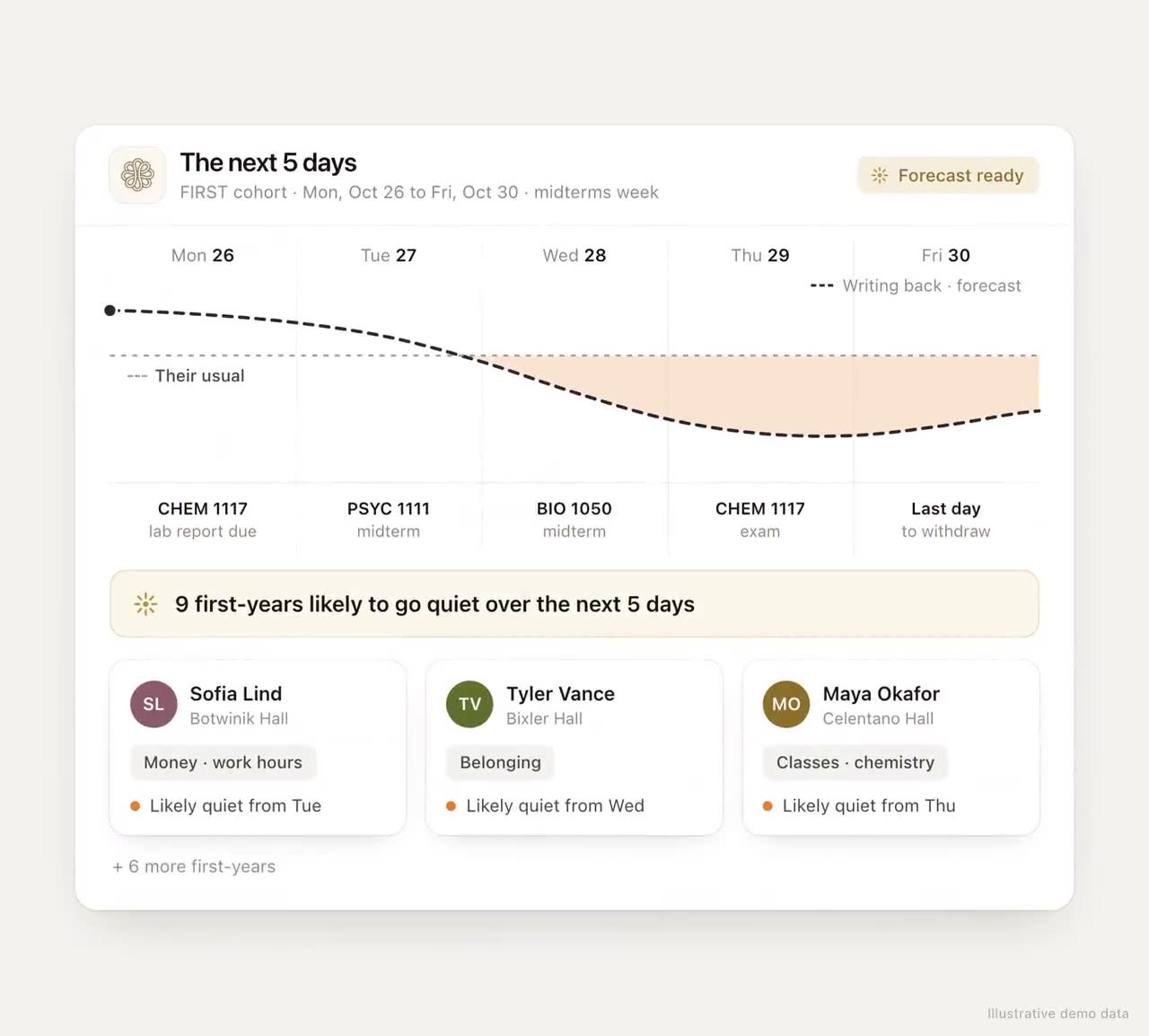
In Journey, finals is a campaign: a few scheduled nudges set to your exam calendar, sent inside each student's chosen windows, with quiet hours honored and no more than one proactive text a day. Students get a few texts a week, inside the windows the student chooses, finals or not. A student who has texted Journey a screenshot of their class timetable never gets a nudge during a class, and anyone can change their nudges with a plain text, such as "pause my nudges for a week" in the middle of exams, and hear the change said back to them.
Turning exam times into a study plan on the student's own calendar isn't live; we're testing a calendar connection. Today Journey talks the plan through by text, and the student writes it into whatever calendar they use. Journey does read each reply for theme and urgency, so "three exams in two days and i'm behind on all of them" puts the student on your team's dashboard as someone who may need a person, and the student can get a one-tap link to tutoring or their advisor.
What to measure
- Tutoring and review bookings in the two weeks before finals, and how far ahead they were made.
- Students who said they were behind and then booked help.
- Exam conflict requests. If few students use your three-exams policy, find out whether they know it exists.
- What students raised during finals, as themes rather than transcripts: sleep, stress, a specific course, work.
- Academic standing the next term for students who engaged with finals support, tracked as a check on your own program.
Start with one course
Pick a gateway course with a large final, such as general chemistry or calculus, and work with its instructor and the tutoring center. Send the two-weeks-out text to its students, the practice-test text a week out, and the bedtime nudge the night before. Compare tutoring bookings and the exam's grade distribution with last term. Next term, add the exam schedule for the whole first-year class.
Frequently asked questions
How can universities support students during finals week?
Start from each student's own exam schedule: find the crunch days, work backward to practice tests and tutoring, and plan around work shifts. Then send a few well-timed messages, such as a bedtime nudge before the hardest exam, instead of one long list of events.
Should we send students more messages during finals?
No. Students are busiest and most distracted then, and extra messages get silenced. Keep to a few texts a week, honor quiet hours, and make each one about the student's own next exam.
What can a student do with three exams in one day?
Many campuses let students move one exam when they have three in a day, but the rules vary. Check your registrar's policy and tell students it applies before finals week, not during it.
What's the best way for students to study for finals?
Practice under real conditions: timed, closed-book, in a quiet room. Keep an error log of every miss and redo just those problems a day later. Rereading notes feels productive but does much less.
What support do students need after finals?
A check-in after the last exam, and another when grades post. Academic standing notices often arrive over break, and students who stay on campus may find dining and services reduced.